Nathan Cole

App 03 of 08

SiteMate

The trade desk in your pocket.

A mobile workspace for sole traders and small trade businesses. Voice or type what happened on site, then turn it into structured work logs, expenses, customer records, invoices, earnings and simple tax estimates.

  • Jobs and customers
  • Invoices and expenses
  • Voice-to-work-log AI
Category
Productivity
Platform
iPhone · iOS 17+
Status
Version 2.1.2
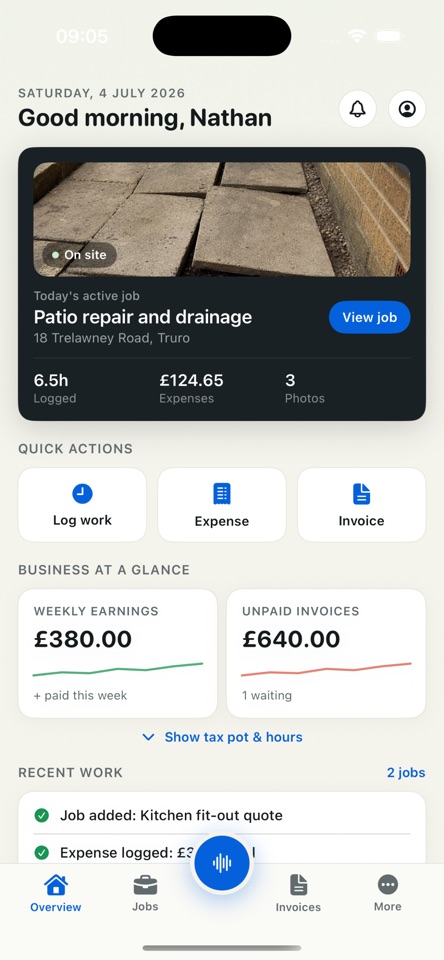
SiteMate iPhone screen showing Jobs and customers
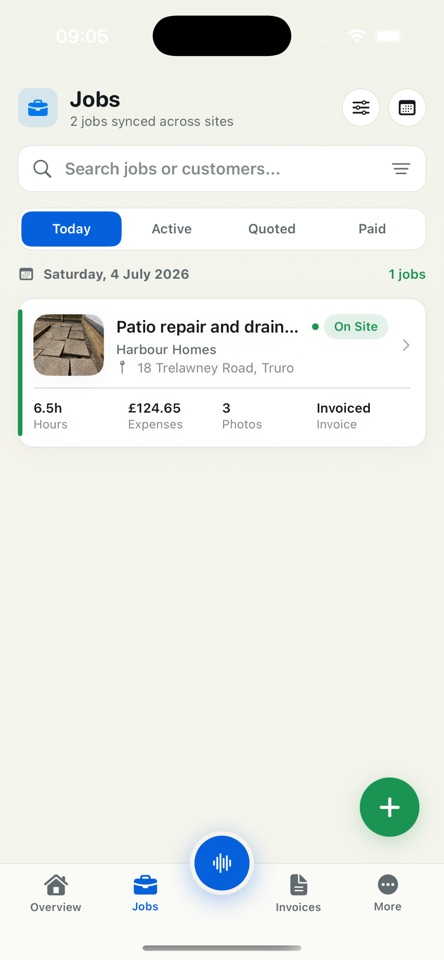
SiteMate iPhone screen showing Invoices and expenses
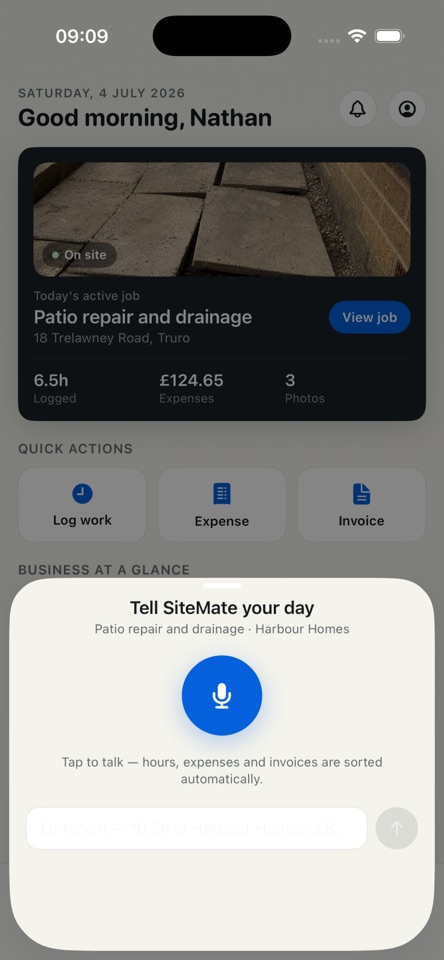
SiteMate iPhone screen showing Voice-to-work-log AI

First-party build note

Why SiteMate exists.

The product problem

Reduce the gap between doing a trade job and recording enough structured information to invoice, understand earnings and keep the business organised.

Decisions that shaped it

  • Centre the product around jobs and customers rather than generic documents
  • Let a spoken or typed account become a structured work log
  • Keep expenses, invoices and simple tax estimates in the same daily workflow

Evidence today

SiteMate is live on the App Store at version 2.1.2 with job records, customer management, expenses, invoices and AI-assisted day logging.

Behind the build

How SiteMate became a working product.

01

Architecture

SiteMate is a native SwiftUI product backed by Supabase and PostgreSQL. Sign in with Apple, row-level permissions and user-owned records sit underneath jobs, customers, expenses and invoices. StoreKit handles subscription entitlement, while the AI day-entry service turns a spoken or typed site update into a strict, reviewable draft.

02

Reliability and trust

The model cannot write directly into business records. Inputs are treated as untrusted, output must match a bounded contract, job identifiers and numbers are validated, low-confidence matches ask for clarification and a local parser provides a smaller fallback when the model is unavailable. Account identity is also carried through purchase and entitlement synchronisation.

03

Delivery

I have owned the product across SwiftUI, backend policies, sync, payments, AI boundaries, automated regression tests, App Store packaging and release troubleshooting. Version 2.1.2 is the current public App Store release.